
Table of Contents
Getting into the Museum
We visited the L.C. Bates museum on a rainy-ish day during the week. The small parking lot closest to the museum was full so I ended up following the road around the back and parking next to some other cars who had also made their own space partially on the grass.
The museum was relatively easy to find, as we walked around from the back of the building to the big stone steps out front. Now this is an old building – it’s got charm and you can definitely tell it’s got some history. Through a window on the outside you can see a large collection of stage coaches on the basement level. I have been to museums before where they would have 1 or 2, but this was quite the array.
After walking up the historic stone front steps, there were fish visible right from the entrance and we quickly found ourselves in the gift shop (which had multiple little trinkets and animal-related toys to draw my kiddo’s attention). Honestly, he could have probably spent an entire hour touching things in the gift shop – but we had plenty of other things to see, so we went on!
Apparently, this day was a special day, as an entire class of drawing students happened to be at the museum sketching the exhibits and honing their skill. As my son and I walked past one of them, I kid you not, they thought he looked adorable and offered to do a sketch of us. That was an incredibly generous and unexpected surprise from the visit.
What exhibits are there?
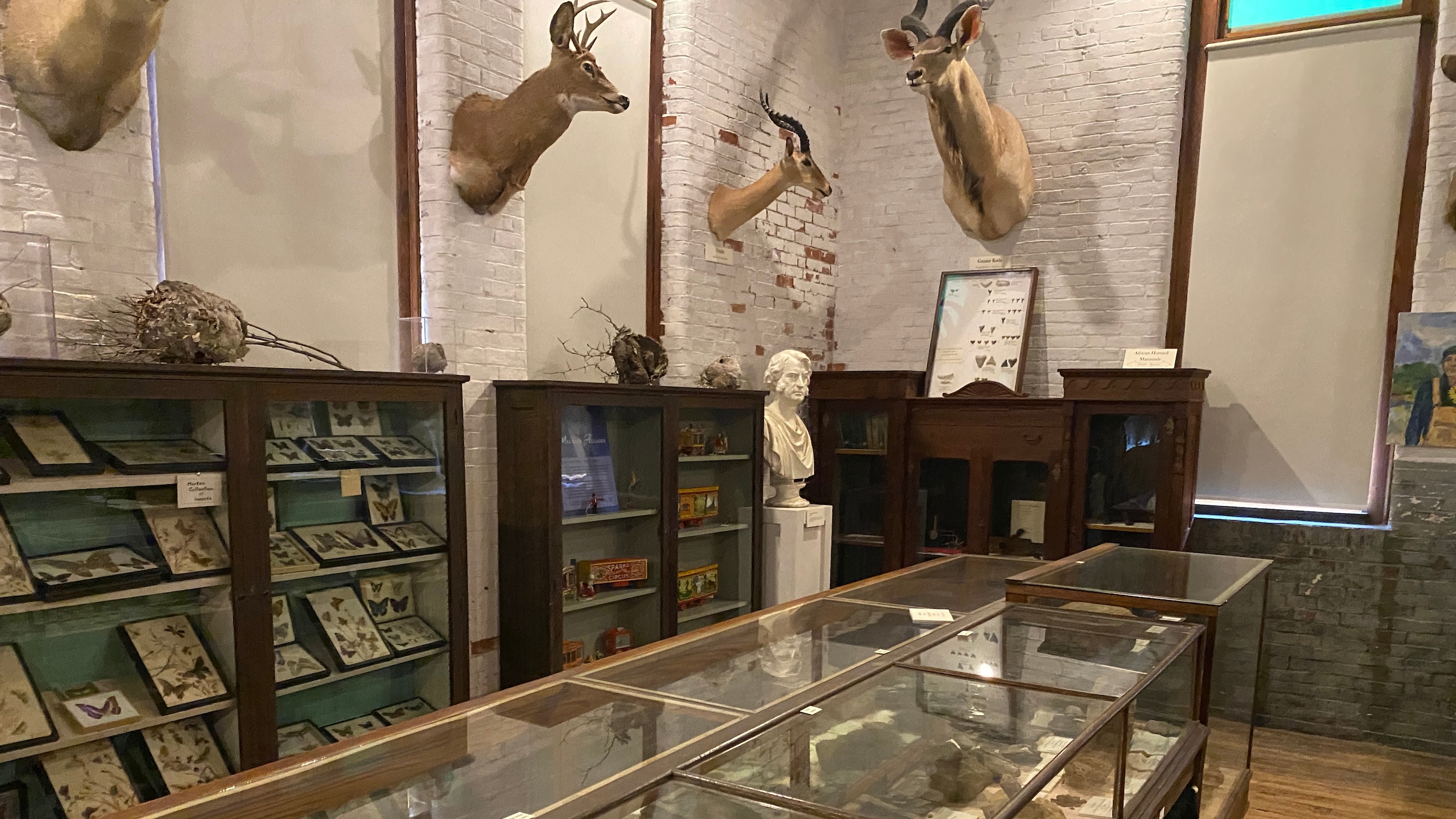
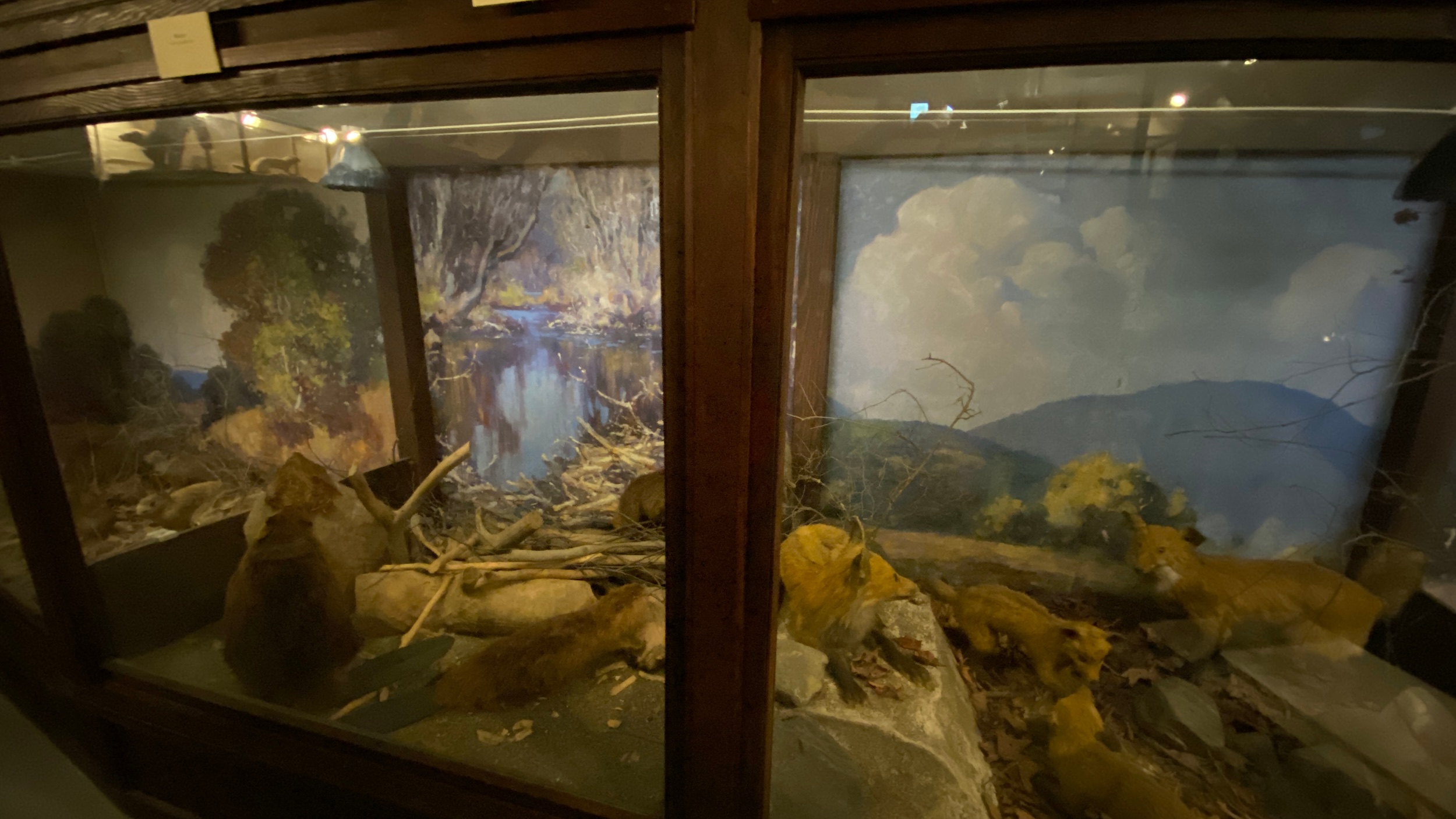
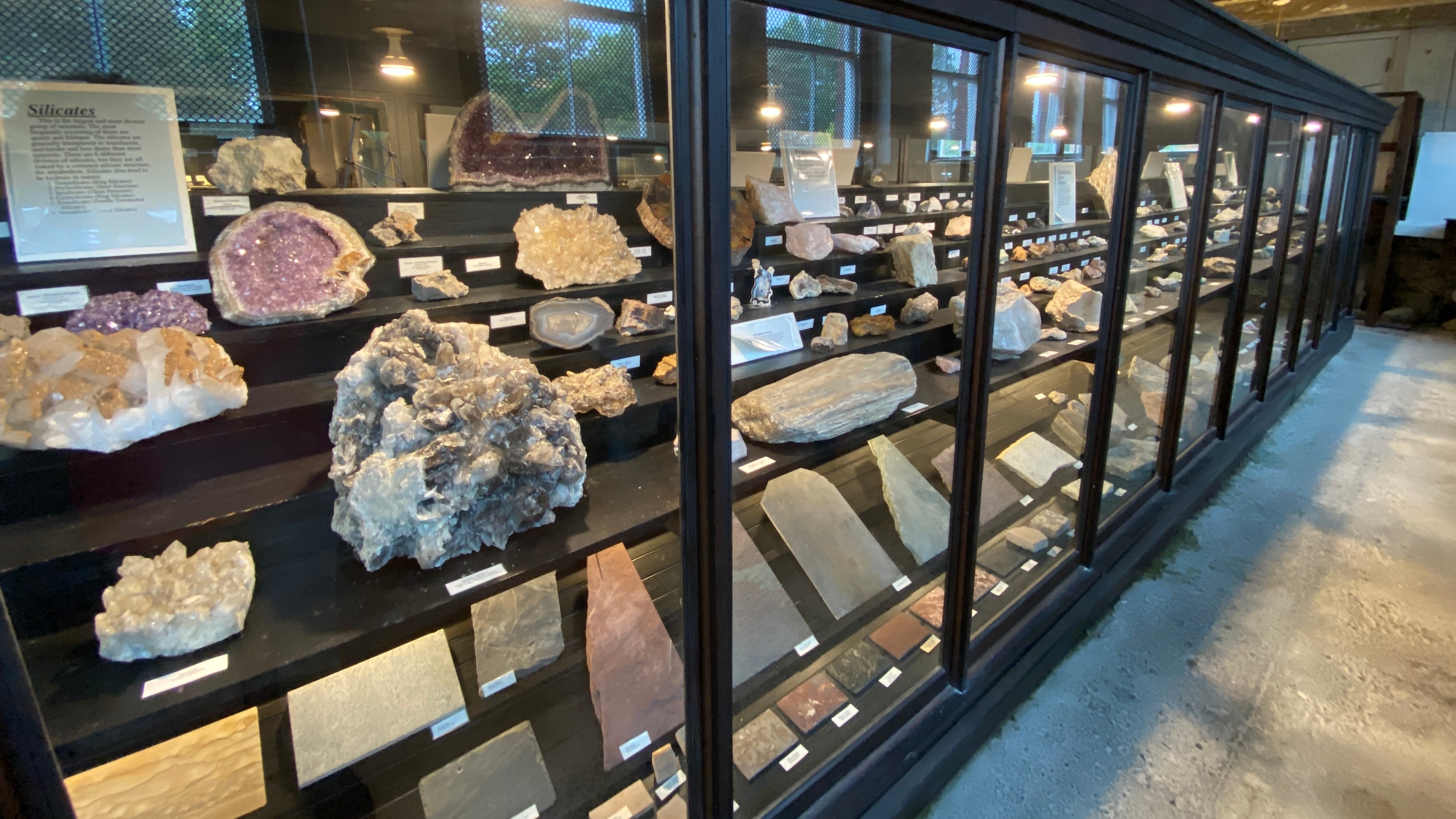
The exhibits consist mostly of dioramas with taxidermied animals, display cases full of rocks, plants, and natural features, educational materials, and interesting information written throughout the rooms. You like rocks? They have rocks – hundreds of different types and styles meticulously lined up and indexed in display cases.
The fish and ocean life room was very interesting. There were some huge fish on the walls and the museum director was even there giving us an overview of the method used by the original founder to preserve the creatures for generations to come.
That was another thing I really liked about this museum – there were multiple rooms and spaces to explore but I never felt like I was going to get lost. It was easy to find my way or to know where to go for help.
There were of course some quirks that come along with old buildings (the L.C. Bates Museum is over 120 years old). At the time we went, there seemed to be one bathroom for the public and it is located in the gift shop behind the desk, so museum staff would need to let you into it. That was not a huge problem for us, but might be something to keep in mind depending on the length of your visit.
Is it good for kids?
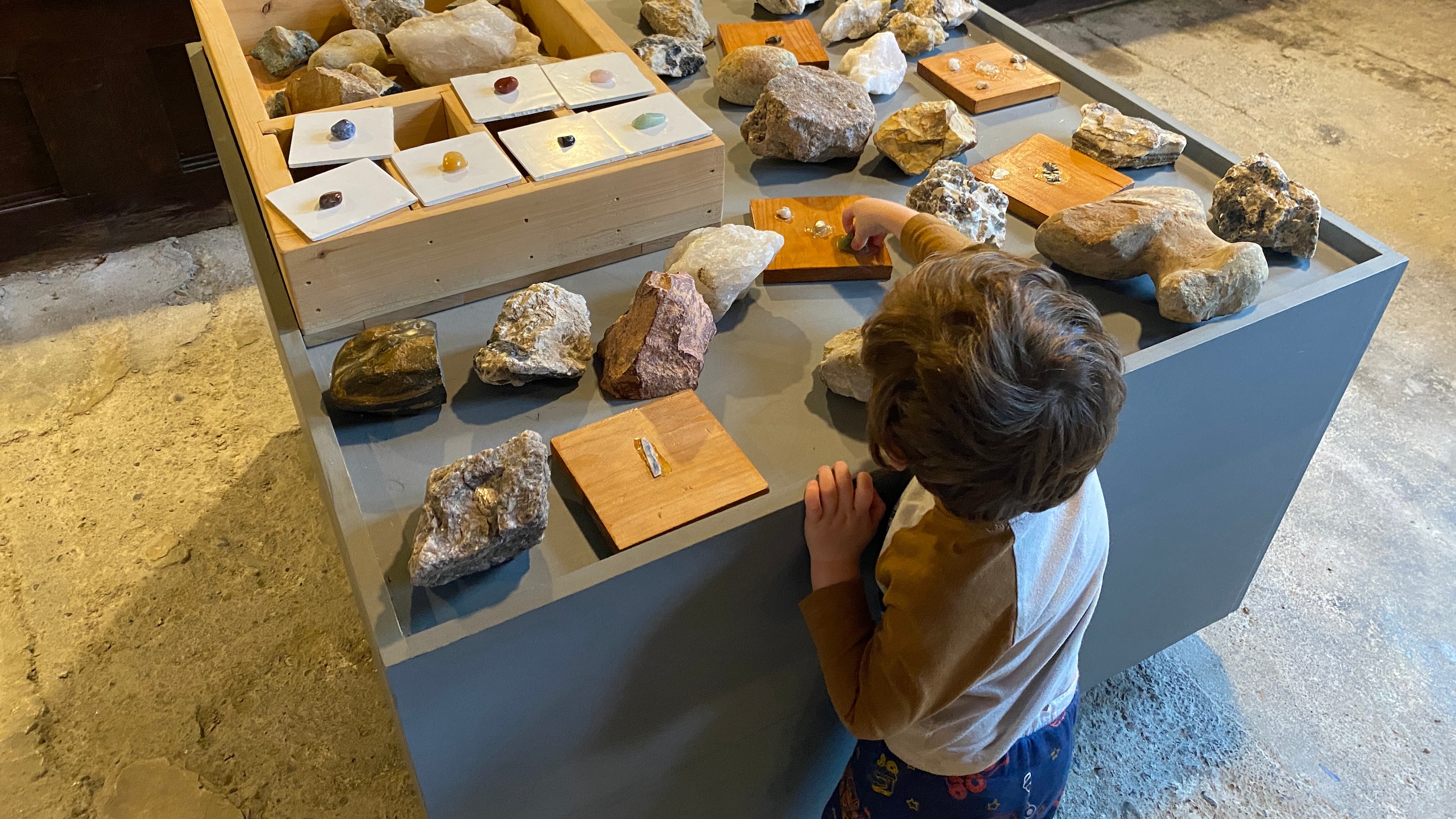
Yes, there were designated areas and educational displays set up in the L.C. Bates Museum that were okay to touch, such as a large table with different types of rocks, or a Name that Animal Track game with touch-friendly impressions of animal feet and the answers to which animal it goes to. I would think ages 5-12 would enjoy seeing the animal exhibits and learning about the different types of trees and rocks. Younger children who like animals would definitely have plenty to see, but may not last more than an hour.
We spent about an hour walking through and looking at the exhibits and there was still more to see; we did not even make it to the avian section (as we spent a lot of time browsing the aforementioned gift shop). My plan is to definitely go back again soon to explore the rest of the exhibits.
The pricing is extremely reasonable, being only $4 for adults and $1 for children. They even have a membership option that might make sense for those who plan to visit more than once per year.
Get a quick overview of the L.C. Bates Museum in our directory, or go straight to their website here.